Best Dental Implant Practices in London
Find a Dentist
·5 min read
Artificial intelligence is rapidly transforming the dental industry, with new data showing that 84% of dental professionals in the United States are either already using AI or seriously considering its adoption. According to recent industry surveys, 18% of USA dental professionals have already integrated AI into their workflows, while another 66% are actively considering implementation.
This represents a dramatic shift in how dentistry is practiced, with AI enhancing everything from diagnostics to patient management, treatment planning, and operational efficiency.
The integration of AI in dental practices has accelerated significantly in 2025. What was once considered futuristic technology is now becoming standard equipment in forward-thinking practices around the world.
AI-powered systems are now capable of analyzing dental x-rays and identifying cavities, periodontal disease, bone loss, and other oral health issues with remarkable accuracy. Some systems have demonstrated detection rates exceeding 90-95%, often matching or surpassing the diagnostic capabilities of experienced dentists.
Beyond diagnostics, AI is being used to design dental restorations including crowns, bridges, inlays, and onlays. Computer-aided design systems powered by AI can create optimal restoration shapes based on thousands of previous cases, reducing design time and improving outcomes.
Machine learning algorithms excel at pattern recognition, making them ideal for analyzing dental radiographs. AI systems can process panoramic x-rays, bitewing images, and CBCT scans to detect:
The technology is particularly valuable for detecting subtle changes that might be missed by the human eye, especially early-stage decay between teeth or under existing fillings.
AI platforms can analyze patient data and suggest treatment options based on evidence from thousands of similar cases. These systems consider factors like tooth position, bone quality, patient age, medical history, and treatment goals to recommend optimal approaches.
For implant planning, AI can suggest ideal implant positions, sizes, and angulations based on bone anatomy and prosthetic requirements. This reduces planning time and can improve surgical outcomes.
AI-powered chatbots and communication platforms are transforming patient engagement. These systems can:
This automation frees up staff time while improving patient communication and satisfaction.
Practice management AI analyzes operational data to identify inefficiencies and optimize workflows. These systems can predict busy periods, optimize appointment scheduling, manage inventory, and even forecast revenue based on treatment acceptance patterns.
Research published in dental journals has consistently shown that AI can enhance diagnostic accuracy. A systematic review of AI in dentistry found that machine learning algorithms achieved high accuracy in detecting various dental conditions.
For cavity detection specifically, studies have shown AI systems achieving sensitivity and specificity rates comparable to or exceeding those of experienced dentists. This is particularly significant for early detection, as identifying decay in its initial stages allows for more conservative treatment approaches.
AI's consistency is another advantage. Unlike human practitioners who may have off days or variations in performance, AI systems provide consistent analysis every time, reducing the likelihood of missed diagnoses due to fatigue or distraction.
AI doesn't operate in isolation—it's most powerful when integrated into comprehensive digital workflows. The combination of intraoral scanners, AI analysis, and CAD/CAM manufacturing creates a seamless path from diagnosis to treatment.
For example, an intraoral scan can be immediately analyzed by AI to detect cavities and calculate their volume. This data flows directly into treatment planning software, which uses AI to design an optimal restoration. The design is then sent to a milling machine or 3D printer for fabrication—all within a single appointment.
This integration is driving the 57% intraoral scanner penetration rate in the USA, as practices recognize the value of digital workflows enhanced by AI capabilities.
Despite the promising benefits, AI adoption in dentistry faces several challenges:
Dental professionals need training to effectively use AI tools and interpret their outputs. Understanding the technology's capabilities and limitations is essential for optimal integration into clinical practice.
AI systems require access to patient data for analysis. Ensuring this data is protected and used in compliance with regulations like GDPR and HIPAA is crucial.
While AI technology is becoming more accessible, initial investment costs can be significant for small practices. However, many experts view this as a long-term investment that improves efficiency and outcomes.
AI medical devices must meet regulatory standards. In the UK, the MHRA oversees these technologies, while in the USA, the FDA provides regulation. As AI continues to evolve, regulatory frameworks are adapting to ensure patient safety.
Industry experts predict that AI will become even more integrated into dental practice over the next few years. Future developments may include:
For patients, the rise of AI in dentistry offers several potential benefits:
However, patients should remember that AI is a tool to enhance dental care, not replace the human element. The dentist-patient relationship, clinical judgment, and hands-on expertise remain irreplaceable components of quality dental care.
With 84% of dental professionals using or considering AI adoption, the technology is clearly moving from experimental to essential in modern dental practice. The combination of improved diagnostic accuracy, enhanced treatment planning, and optimized workflows makes AI a valuable asset for practices committed to providing the highest quality care.
As the technology continues to evolve and more long-term data becomes available, AI's role in dentistry will likely expand further. For both dental professionals and patients, this represents an exciting evolution toward more precise, predictable, and personalized dental care.
The future of dentistry is here, and it's powered by the collaboration between human expertise and artificial intelligence.
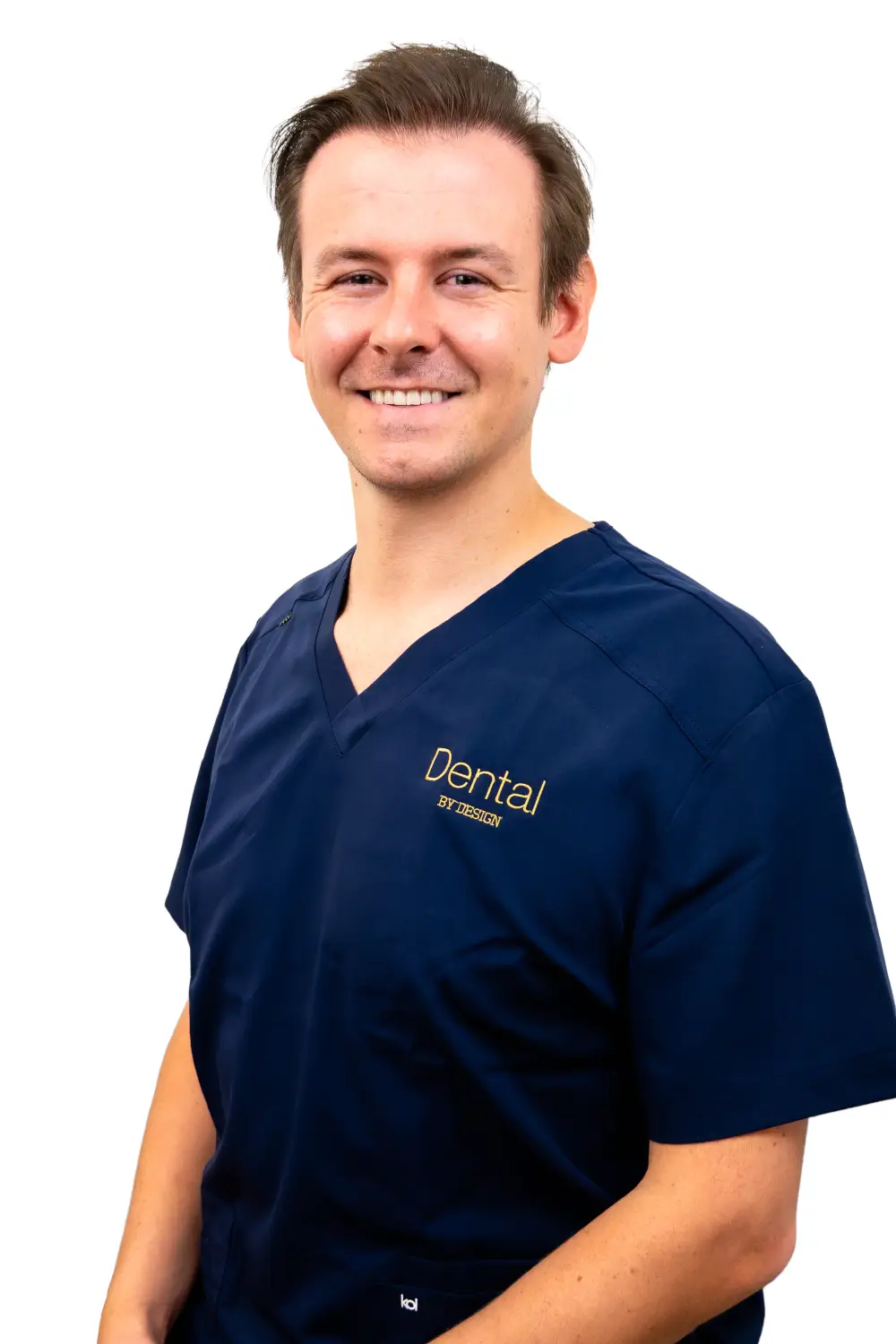
Reviewed by Dr. Nasim Mechoui , BDS (Bristol)
Award-winning cosmetic and implant dentist specializing in smile makeovers and dental implants in London.
10+ years experience
No more than one email per month. Unsubscribe anytime.
Find a Dentist
·5 min read
News
·6 min read
News
·5 min read
Braces
·9 min read